2026 Study group outline
Foundations for Flourishing: Living God’s Way in Everyday Life
2026 Study Guide
A Tree By The Water Small Group Ministry
Introduction to the Study
Welcome to Foundations for Flourishing! Over the next 13 weeks, we’ll explore what it means to live as followers of Jesus Christ in our everyday lives. This isn’t just about learning Bible facts—it’s about transformation. God wants to change us from the inside out so we can experience the abundant life Jesus promised.
Each week includes:
- Weekly Group Meeting: 60 minutes together studying Scripture, discussing application, and praying
- Daily Devotionals: 5-10 minute studies for Monday through Saturday
- Weekly Challenge: A practical action to live out what we’re learning
Using the New Living Translation (NLT): All Scripture references use the NLT for clarity and readability.
Week 1: Identity in Christ – Who Am I Really?

March 8-14, 2026
Weekly Group Study
Focal Scripture: 2 Corinthians 5:17
“This means that anyone who belongs to Christ has become a new person. The old life is gone; a new life has begun!”
Core Teaching Points:
- Your identity is not defined by your past, your job, your bank account, or what others think
- When you trust Jesus, God sees you as a completely new creation
- Your worth comes from being loved and chosen by God
- This new identity changes how you see yourself and how you live
Discussion Questions:
- What are some ways people typically define their identity? (job, family role, accomplishments, past mistakes, etc.)
- How does knowing you’re a “new creation” in Christ change the way you see yourself?
- What “old life” things does God want us to leave behind?
- How can understanding our identity in Christ help us face daily challenges?
- Who in your life needs to hear that they can become new in Christ?
This Week’s Challenge:
Write down three negative things you’ve believed about yourself. Then find three Bible verses that tell you who God says you are. Read these verses every morning this week.
Week 2: Managing Money God’s Way

March 15-21, 2026
Weekly Group Study
Focal Scripture: Luke 16:10-11
“If you are faithful in little things, you will be faithful in large ones. But if you are dishonest in little things, you won’t be honest with greater responsibilities. And if you are untrustworthy about worldly wealth, who will trust you with the true riches of heaven?”
Core Teaching Points:
- Everything we have belongs to God—we’re managers, not owners
- How we handle money reveals what we really believe about God
- Faithfulness with little prepares us for greater blessings
- God cares more about our character than our bank account
- Biblical financial principles work regardless of income level
Discussion Questions:
- Why do you think Jesus talked so much about money and possessions?
- What’s the difference between being a “manager” versus an “owner” of your money?
- How can someone with very little money still be “faithful in little things”?
- What are some practical ways to honor God with our finances?
- How does trusting God with our money help us trust Him in other areas?
This Week’s Challenge:
Write down everything you spend for seven days. At the end of the week, pray over your spending list and ask God to show you one area where you can be more faithful.
Week 3: Work as Worship

March 22-28, 2026
Weekly Group Study
Focal Scripture: Colossians 3:23-24
“Work willingly at whatever you do, as though you were working for the Lord rather than for people. Remember that the Lord will give you an inheritance as your reward, and that the Master you are serving is Christ.”
Core Teaching Points:
- All honest work has dignity and purpose in God’s eyes
- Your workplace is your mission field
- Excellence at work is a witness to your faith
- God sees and rewards faithful work even when people don’t
- Your attitude at work reflects your relationship with Christ
Discussion Questions:
- How does viewing your work as “working for the Lord” change your attitude about your job?
- What are some ways you can be a witness for Christ at work without preaching?
- How do you handle difficult coworkers or unfair bosses while honoring God?
- Why do you think God cares about how we work?
- What would change at your workplace if everyone worked “as unto the Lord”?
This Week’s Challenge:
Choose one specific way to demonstrate excellence at work this week (better attitude, extra effort, helping someone, being on time, etc.). Do it intentionally as an act of worship to God.
Week 4: Relationships That Reflect Jesus

March 29- April 04, 2026
Weekly Group Study
Focal Scripture: John 13:34-35
“So now I am giving you a new commandment: Love each other. Just as I have loved you, you should love each other. Your love for one another will prove to the world that you are my disciples.”
Core Teaching Points:
- How we treat people is the clearest evidence of our faith
- Jesus-style love is sacrificial, not just emotional
- Our relationships are a witness to the world about Christ
- Love means choosing someone’s good even when it costs us
- Healthy relationships require humility, forgiveness, and grace
Discussion Questions:
- Why did Jesus say that love for one another would prove we’re His disciples?
- What’s the difference between worldly love and the love Jesus showed us?
- Who in your life is hardest to love? What would it look like to love them “as Christ loved you”?
- How can we show love to someone even when we don’t feel loving toward them?
- What relationship in your life most needs the kind of love Jesus is talking about?
This Week’s Challenge:
Identify one relationship that’s difficult or strained. Do one specific act of kindness for that person this week, asking God to help you love them the way Jesus loves you.
Week 5: Handling Conflict Biblically

April 05 – 11, 2026
Weekly Group Study
Focal Scripture: Matthew 18:15-16
“If another believer sins against you, go privately and point out the offense. If the other person listens and confesses it, you have won that person back. But if you are unsuccessful, take one or two others with you and go back again, so that everything you say may be confirmed by two or three witnesses.”
Core Teaching Points:
- Conflict is inevitable—how we handle it reveals our character
- Go directly to the person, don’t gossip to others
- The goal is reconciliation, not winning the argument
- Sometimes love means confronting sin, not ignoring it
- Unresolved conflict damages our witness and grieves the Holy Spirit
Discussion Questions:
- Why is it so tempting to talk to everyone except the person we’re in conflict with?
- What’s the difference between confronting someone in love versus confronting in anger?
- How do you respond when someone comes to you with a concern about your behavior?
- What are some ways conflict has been handled poorly in your experience?
- When is it appropriate to involve others in a conflict between two people?
This Week’s Challenge:
If you have unresolved conflict with someone, pray about it for three days. Then, if God leads you, go directly to that person and attempt reconciliation using Matthew 18:15 as your guide.
Week 6: Contentment in All Circumstances

April 12-18, 2026
Weekly Group Study
Focal Scripture: Philippians 4:11-13
“Not that I was ever in need, for I have learned how to be content with whatever I have. I know how to live on almost nothing or with everything. I have learned the secret of living in every situation, whether it is with a full stomach or empty, with plenty or little. For I can do everything through Christ, who gives me strength.”
Core Teaching Points:
- Contentment is learned, not automatic
- True contentment comes from Christ, not circumstances
- Gratitude is the antidote to complaining and discontentment
- God’s provision is always sufficient for His purpose
- Contentment doesn’t mean lack of ambition—it means trusting God while you work
Discussion Questions:
- Paul said contentment is learned. What are some ways we can learn it?
- How is contentment different from complacency or laziness?
- What circumstances most challenge your contentment?
- How does comparison (with others’ lives, possessions, etc.) steal contentment?
- What does it practically look like to find strength in Christ when you don’t have what you need?
This Week’s Challenge:
Start a gratitude journal. Each day this week, write down three specific things you’re thankful for. Include at least one thing you usually take for granted.
Week 7: Speaking Truth in Love

April 19-25, 2026
Weekly Group Study
Focal Scripture: Ephesians 4:15
“Instead, we will speak the truth in love, growing in every way more and more like Christ, who is the head of his body, the church.”
Core Teaching Points:
- Truth without love is harsh; love without truth is weak
- Our words should build up, not tear down
- Honesty is necessary for healthy relationships
- How we speak matters as much as what we speak
- Speaking truth in love requires both courage and compassion
Discussion Questions:
- Can you think of a time when someone spoke truth to you without love? How did it affect you?
- What’s the difference between being honest and being hurtful?
- Why is it sometimes hard to speak truth, even when we need to?
- How can we lovingly confront sin or error in someone’s life?
- What role does prayer play in preparing to speak difficult truths?
This Week’s Challenge:
Before speaking this week, pause and ask yourself: “Is what I’m about to say true, loving, and necessary?” If it fails any of these tests, don’t say it.
Week 8: Serving Others Sacrificially

April 26- May 2, 2026
Weekly Group Study
Focal Scripture: Mark 10:43-45
“But among you it will be different. Whoever wants to be a leader among you must be your servant, and whoever wants to be first among you must be the slave of everyone else. For even the Son of Man came not to be served but to serve others and to give his life as a ransom for many.”
Core Teaching Points:
- Jesus modeled servant leadership—putting others’ needs first
- True greatness in God’s Kingdom is measured by service, not status
- Serving isn’t about being a doormat—it’s about strength used for others
- Sacrifice is costly, but it’s how we become like Jesus
- Serving others is a practical way to show God’s love
Discussion Questions:
- How does Jesus’ definition of greatness differ from the world’s definition?
- What keeps us from serving others? (Pride? Busyness? Fear of being taken advantage of?)
- Can you share a time when someone served you sacrificially? How did it impact you?
- What’s the difference between serving to impress others and serving to honor God?
- Who in your life needs you to serve them this week?
This Week’s Challenge:
Serve someone anonymously this week. Do something helpful for someone without them knowing it was you—let God alone get the glory.
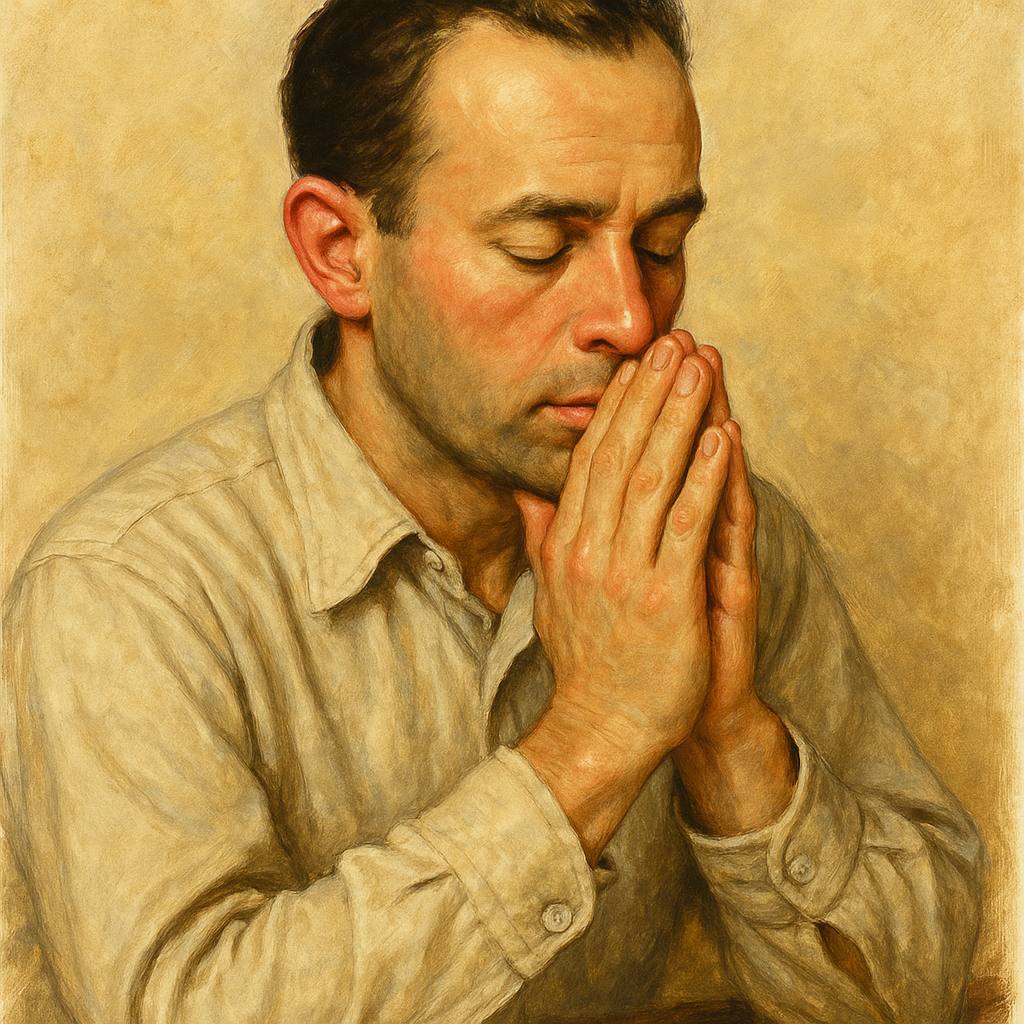
Week 9: Prayer as Daily Conversation
May 3 – 9, 2026
Weekly Group Study
Focal Scripture: 1 Thessalonians 5:16-18
“Always be joyful. Never stop praying. Be thankful in all circumstances, for this is God’s will for you who belong to Christ Jesus.”
Core Teaching Points:
- Prayer is conversation with God, not a religious ritual
- God wants to hear from you constantly, not just in emergencies
- Prayer changes things—and it changes us
- You don’t need fancy words—just an honest heart
- Consistent prayer deepens your relationship with God
Discussion Questions:
- What makes prayer feel difficult or awkward for you?
- How would your life be different if you really “never stopped praying”?
- Why do you think God asks us to pray when He already knows what we need?
- Can you share a time when God clearly answered your prayer?
- What’s one practical way you could build more consistent prayer into your daily routine?
This Week’s Challenge:
Set three specific times each day to pray this week (morning, lunch, bedtime). Keep it simple—just talk to God like a friend for 2-3 minutes each time.
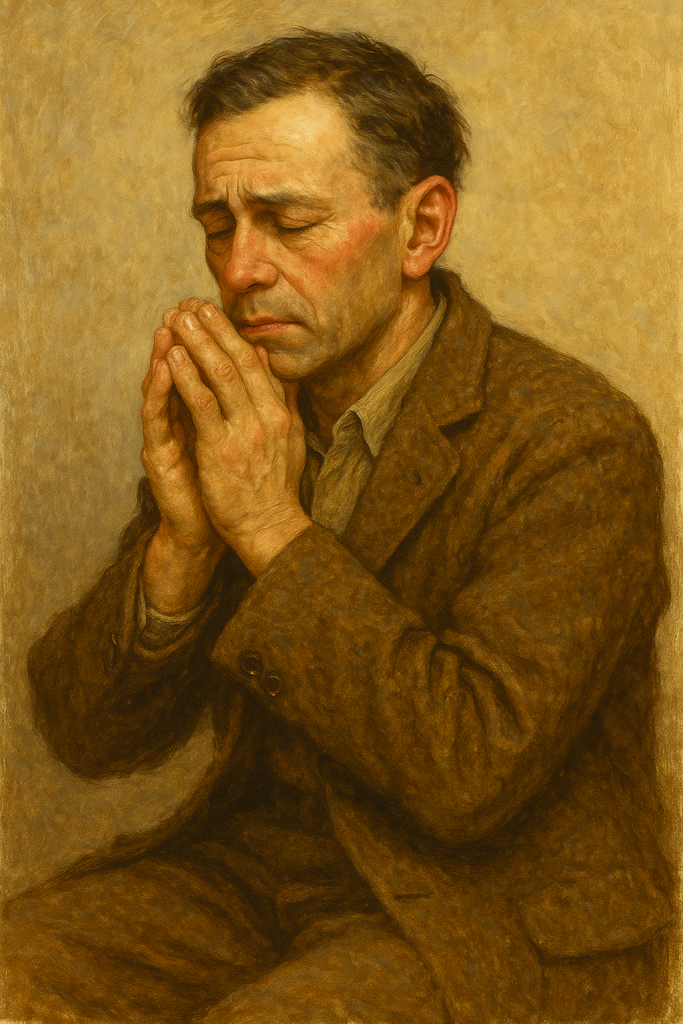
Week 10: Trusting God in Hard Times
May 10-16, 2026
Weekly Group Study
Focal Scripture: Proverbs 3:5-6
“Trust in the Lord with all your heart; do not depend on your own understanding. Seek his will in all you do, and he will show you which path to take.”
Core Teaching Points:
- Trusting God doesn’t mean understanding everything He does
- Hard times don’t mean God has abandoned you
- God’s ways are higher than our ways—His perspective is eternal
- Faith means trusting God even when you can’t see the outcome
- God uses difficult circumstances to grow our faith and character
Discussion Questions:
- What’s the hardest thing about trusting God when life gets difficult?
- Can you share a time when you couldn’t understand what God was doing, but later saw His purpose?
- How do we balance trusting God with taking practical action to solve problems?
- What are some lies the enemy whispers when we’re going through hard times?
- How has suffering strengthened your faith or revealed God’s character to you?
This Week’s Challenge:
Identify one area where you’re struggling to trust God. Each day this week, speak a declaration of trust out loud: “God, I don’t understand this, but I trust You with [specific situation].”
Week 11: Stewardship of Time and Resources

May 17-23, 2026
Weekly Group Study
Focal Scripture: Ephesians 5:15-16
“So be careful how you live. Don’t live like fools, but like those who are wise. Make the most of every opportunity in these evil days.”
Core Teaching Points:
- Time is a gift from God—how we use it matters
- We’re managers of everything God entrusts to us
- Every person has the same 24 hours—it’s about priorities
- Saying “yes” to good things means saying “no” to others
- One day we’ll give an account for how we used what God gave us
Discussion Questions:
- If you tracked your time for a week, what would it reveal about your priorities?
- What are some “time-wasters” that steal from more important things?
- How do you decide what deserves your time and attention?
- What does it mean to “make the most of every opportunity”?
- If you could add one hour to every day, what would you use it for?
This Week’s Challenge:
Track how you spend your time for three days (sleep, work, phone, TV, etc.). Then evaluate: Is this how I want to be spending the life God gave me? Make one specific change based on what you learn.
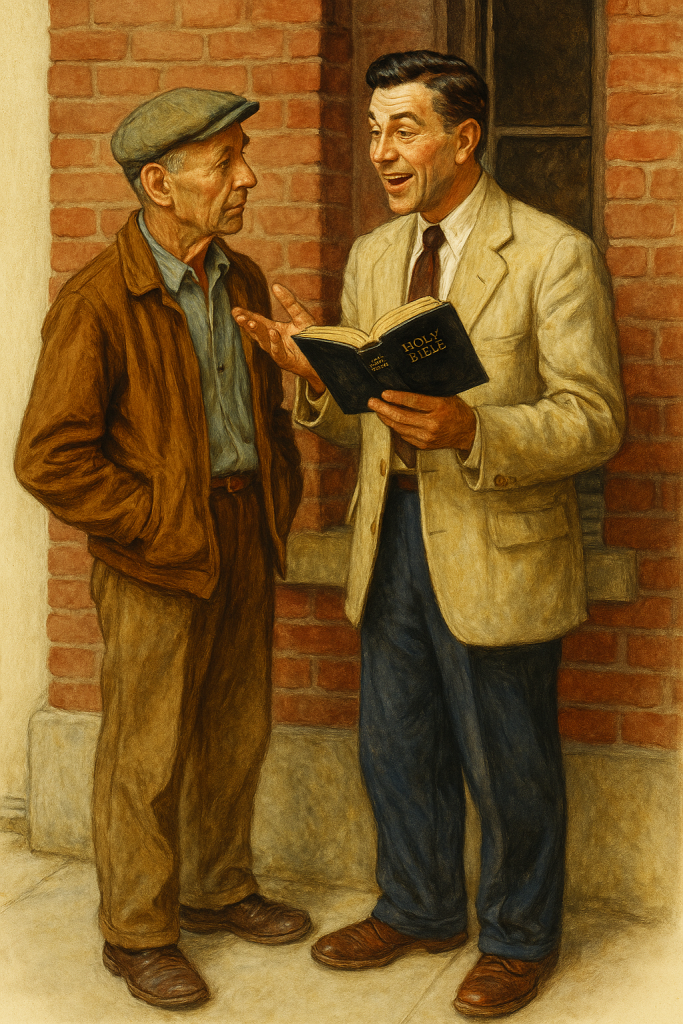
Week 12: Sharing Your Faith Naturally
May 24-30, 2026
Weekly Group Study
Focal Scripture: 1 Peter 3:15
“Instead, you must worship Christ as Lord of your life. And if someone asks about your hope as a believer, always be ready to explain it.”
Core Teaching Points:
- Evangelism isn’t a special gift—it’s a command for all believers
- Your life is your first witness before your words
- People are drawn to authentic faith, not perfect people
- You don’t need all the answers—just share what Jesus has done for you
- Planting seeds is just as important as harvesting
Discussion Questions:
- What makes sharing your faith feel intimidating or difficult?
- Can you think of someone whose life attracted you to Jesus? What was it about them?
- What’s the difference between forcing your faith on someone versus naturally sharing it?
- If someone asked you, “Why are you a Christian?” how would you answer in one minute?
- Who in your life needs to hear about Jesus? What’s one step you can take toward that conversation?
This Week’s Challenge:
Write out your testimony in 3-5 sentences: Who you were before Jesus, how you met Jesus, and who you are now. Practice saying it out loud until you can share it naturally.
Week 13: Living With Eternal Perspective

May 31 – June 6, 2026
Weekly Group Study
Focal Scripture: Colossians 3:1-2
“Since you have been raised to new life with Christ, set your sights on the realities of heaven, where Christ sits in the place of honor at God’s right hand. Think about the things of heaven, not the things of earth.”
Core Teaching Points:
- This life is temporary—eternity is forever
- How we live today has eternal consequences
- Eternal perspective helps us prioritize what truly matters
- Living for heaven doesn’t mean we’re no earthly good—it makes us more effective here
- Storing up treasure in heaven is wiser than accumulating earthly wealth
Discussion Questions:
- How does knowing you’ll live forever with Jesus change how you view today’s problems?
- What does it mean to “set your sights on the realities of heaven”?
- If you really believed heaven is more real than earth, what would you do differently?
- What are some ways people get too focused on earthly things and lose eternal perspective?
- Looking back on this quarter’s study, what’s one thing you want to keep doing as you move forward?
This Week’s Challenge:
Review all 13 weekly challenges from this quarter. Choose one to recommit to for the next 30 days. Write it down and share it with someone who will hold you accountable.
Conclusion: Moving Forward
Congratulations on completing Foundations for Flourishing! Over the past 13 weeks, you’ve explored what it means to live as a follower of Jesus in everyday life. But this isn’t the end—it’s just the beginning.
What Now?
1. Keep Going: The habits you’ve built over 13 weeks—daily devotions, weekly challenges, group discussion—don’t stop here. Make them a permanent part of your walk with Christ.
2. Stay Connected: Continue meeting with your small group. The relationships you’ve built are valuable for ongoing encouragement and accountability.
3. Review and Remember: Go back through the weekly challenges. Which ones had the biggest impact? Which ones do you need to revisit?
4. Share What You’ve Learned: Discipleship multiplies. Share what God has taught you with someone else who needs to hear it.
Final Prayer
“Father, thank You for these 13 weeks of growth. Thank You for Your Word that has taught us, Your Spirit that has guided us, and Your grace that has sustained us. Help us continue to live out what we’ve learned. Transform us more and more into the image of Jesus. We want to flourish in every area of life—not for our glory, but for Yours. In Jesus’ name, Amen.”
For more information about A Tree By The Water ministry, contact michael@treebythewater.icu
.